Caulking & Sealant Systems Protecting Buildings from the Elements
Professional sealant replacement and joint restoration systems designed to accommodate movement, prevent water intrusion, and maintain building envelope performance.
Weather protection, movement flexibility, and long-lasting performance in one complete system.
Professional sealant and joint systems designed to manage building movement, protect transitions, prevent water infiltration, and maintain long-term building envelope performance.
Weather Tight
Protects against air and water.
Flexible Movement
Built for expanding joints.
Continuity
Four specialized applications.
Quality Sealants
Premium materials. Proven results.
SEALANT SYSTEMS
Four sealant paths based on joint location, movement, exposure, and restoration need.
Sealant work is selected by the joint condition, surrounding substrates, movement requirement, and exposure level. These four systems organize the division around perimeter joints, movement joints, horizontal traffic joints, and replacement work.
SYSTEM EXPLAINER
Each sealant path solves a different movement, transition, or weatherproofing need.
Sealant systems are not selected by colour alone. The correct path depends on joint location, movement demand, exposure, substrate condition, and whether the work is new installation or replacement.
↑ Select a sealant system above.
SEALANT OVERVIEW
Sealant & Joint Systems
Sealant systems are selected based on what the joint needs to do: protect openings, accommodate movement, withstand traffic exposure, or replace failed material.
Why Different Joint Systems?
Joint location
Movement demand
Water exposure
Traffic exposure
Substrate condition
Replacement scope
S6-SL-01
Perimeter Sealant Systems
Perimeter sealant systems protect the most common envelope transitions, including window perimeters, door frames, service penetrations, and cladding interfaces. Performance depends on clean joint preparation, correct backer rod placement, primer compatibility, sealant selection, and proper tooling.
Common Applications
Window perimeters
Door perimeters
Wall penetrations
Material transitions
Advantages
Improves air and water resistance
Supports envelope continuity
Accommodates normal movement
Protects vulnerable transitions
Considerations
Joint design controls performance
Backer rod depth matters
Substrate compatibility must be reviewed
PRODUCT CATALOGUE
Browse Commonly Used Commercial Sealant Systems
System 6 installs premium commercial sealant systems selected to match joint movement, substrate compatibility, environmental exposure, and long-term performance. Every project is evaluated individually to ensure the correct sealant system is specified for the application, whether sealing a window perimeter, accommodating structural movement, or protecting high-traffic concrete joints.
SILICONE SEALANTS
Featured Product
DOWSIL 795 Silicone Building Sealant
DOWSIL 795 is one of the most widely specified architectural silicone sealants in commercial construction. Designed for demanding building envelope applications, it provides exceptional long-term weather resistance, flexibility, and adhesion to a wide variety of construction materials including EIFS, glass, aluminum, steel, masonry, concrete, and stone. It is commonly used for perimeter weather sealing and façade joints where long service life and UV resistance are critical.
Common Applications
Window & door perimeter joints
EIFS systems
Curtain walls
Glass & aluminum systems
Architectural metal panels
Masonry & stone interfaces
Advantages
Outstanding UV resistance
Excellent long-term flexibility
Superior weather resistance
Excellent adhesion to common façade materials
Extremely long service life
Proven commercial performance
Considerations
Not paintable
Higher initial material cost than polyurethane
Best suited where long-term durability is the priority
POLYURETHANE SEALANTS
Featured Product
Tremco Dymonic 100
Dymonic 100 is a high-performance, non-sag polyurethane sealant widely used throughout commercial construction. It provides excellent adhesion, accommodates significant joint movement, and can be painted after curing, making it an excellent choice for masonry, concrete, EIFS, and perimeter joints where aesthetics and cost-effectiveness are important.
Common Applications
Brick veneer
Masonry walls
Concrete
EIFS
Expansion joints
Window & door perimeter joints
Precast concrete
Advantages
Paintable
Excellent adhesion
Cost-effective
High movement capability
Suitable for numerous building materials
Durable commercial performance
Considerations
Lower long-term UV resistance than silicone
Can require maintenance sooner in high-exposure applications
Cure time depends on temperature and humidity
HYBRID SMP SEALANTS
Featured Product
DOWSIL Contractors Paintable Sealant
Hybrid SMP sealants combine many of the advantages of silicone and polyurethane into a single product. They offer excellent adhesion, low VOC emissions, good weather resistance, and the ability to be painted after curing. These sealants are commonly selected where a paintable finish is required without sacrificing long-term flexibility.
Common Applications
Window & door perimeter joints
Mixed-material façades
Residential construction
Commercial renovations
Interior & exterior movement joints
Advantages
Paintable
Excellent adhesion
Low VOC
Good UV resistance
Flexible on a wide variety of substrates
Easy tooling and clean finish
Considerations
Typically higher cost than conventional polyurethane
Not intended for structural glazing applications
Product selection depends on project specifications
TRAFFIC-GRADE SILICONE
Featured Product
DOWSIL 888 Silicone Joint Sealant
DOWSIL 888 is a premium traffic-grade silicone sealant specifically engineered for horizontal pavement joints exposed to vehicle traffic. Unlike conventional façade sealants, it is designed to withstand repeated compression, extension, weather exposure, and heavy traffic while maintaining a watertight seal. It offers exceptionally high movement capability and primerless adhesion to properly prepared concrete.
Common Applications
Parking garages
Concrete pavement joints
Sidewalks
Drive lanes
Loading docks
Horizontal expansion joints
Advantages
Engineered for traffic-bearing joints
Exceptional movement capability
Outstanding UV and weather resistance
Primerless adhesion to Portland cement concrete
Long service life
Durable under repeated joint movement
Considerations
Intended for horizontal joints only
Requires proper joint preparation and backer rod installation
Not intended for typical vertical façade applications
Available Standard Colours
RELATED PROJECTS
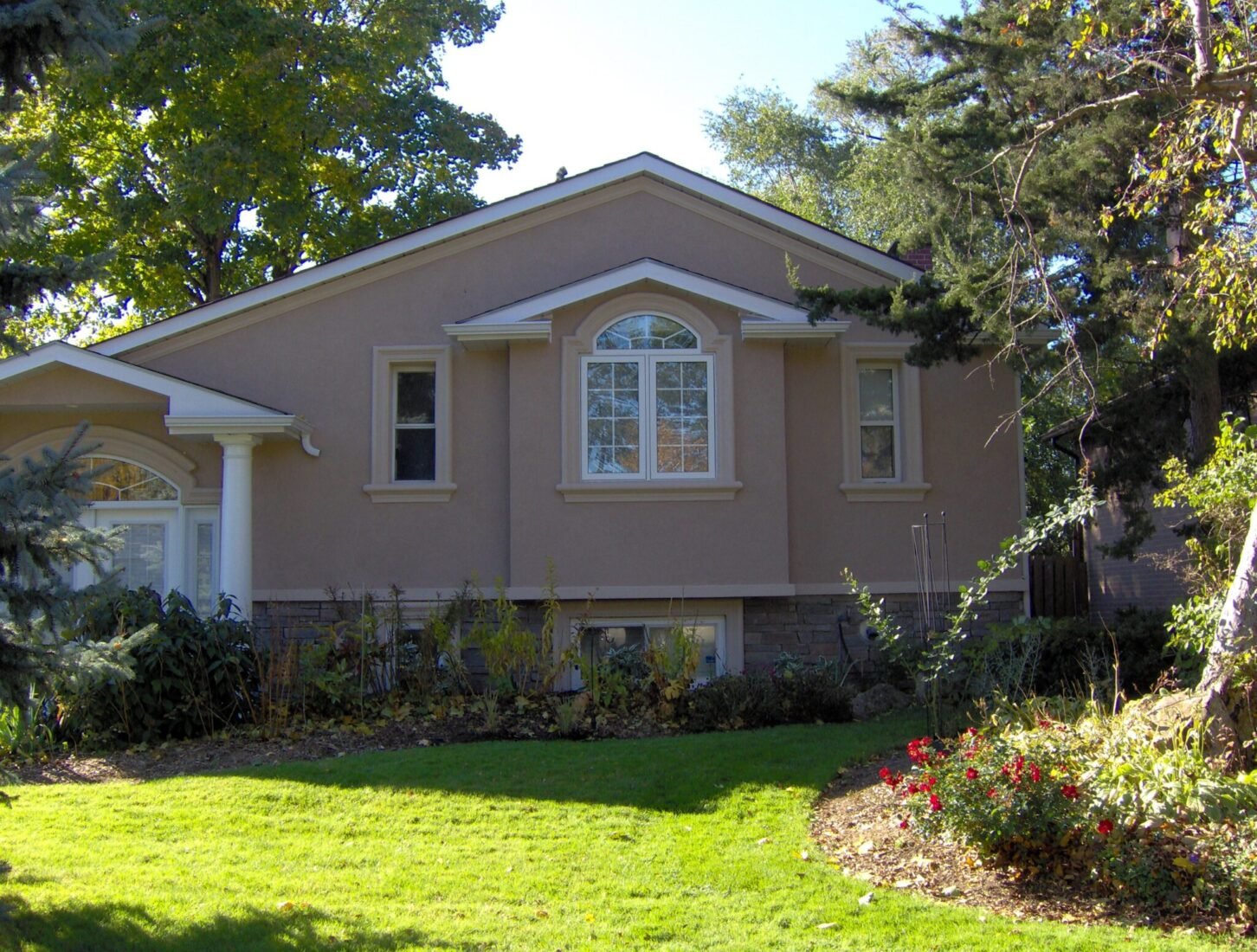
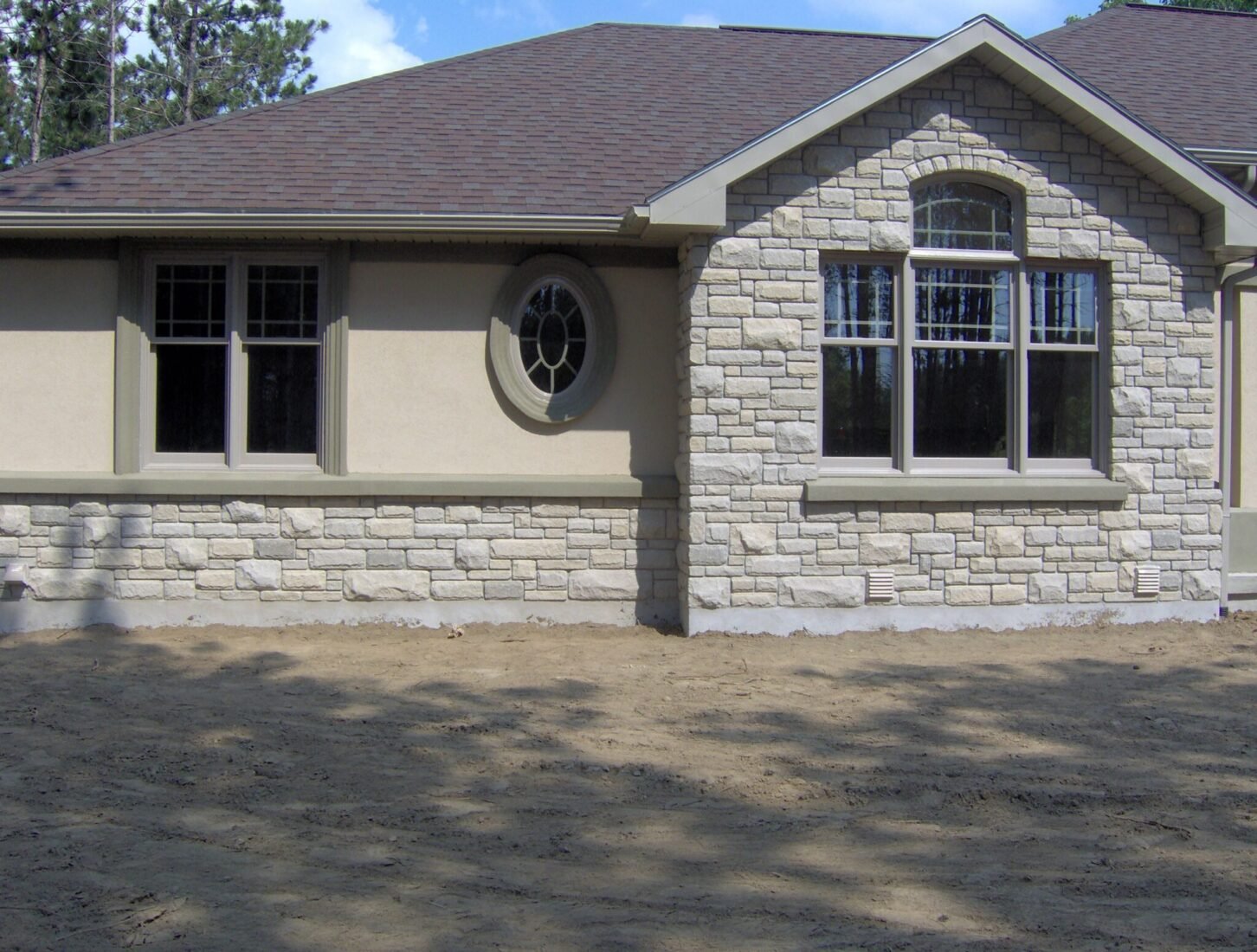
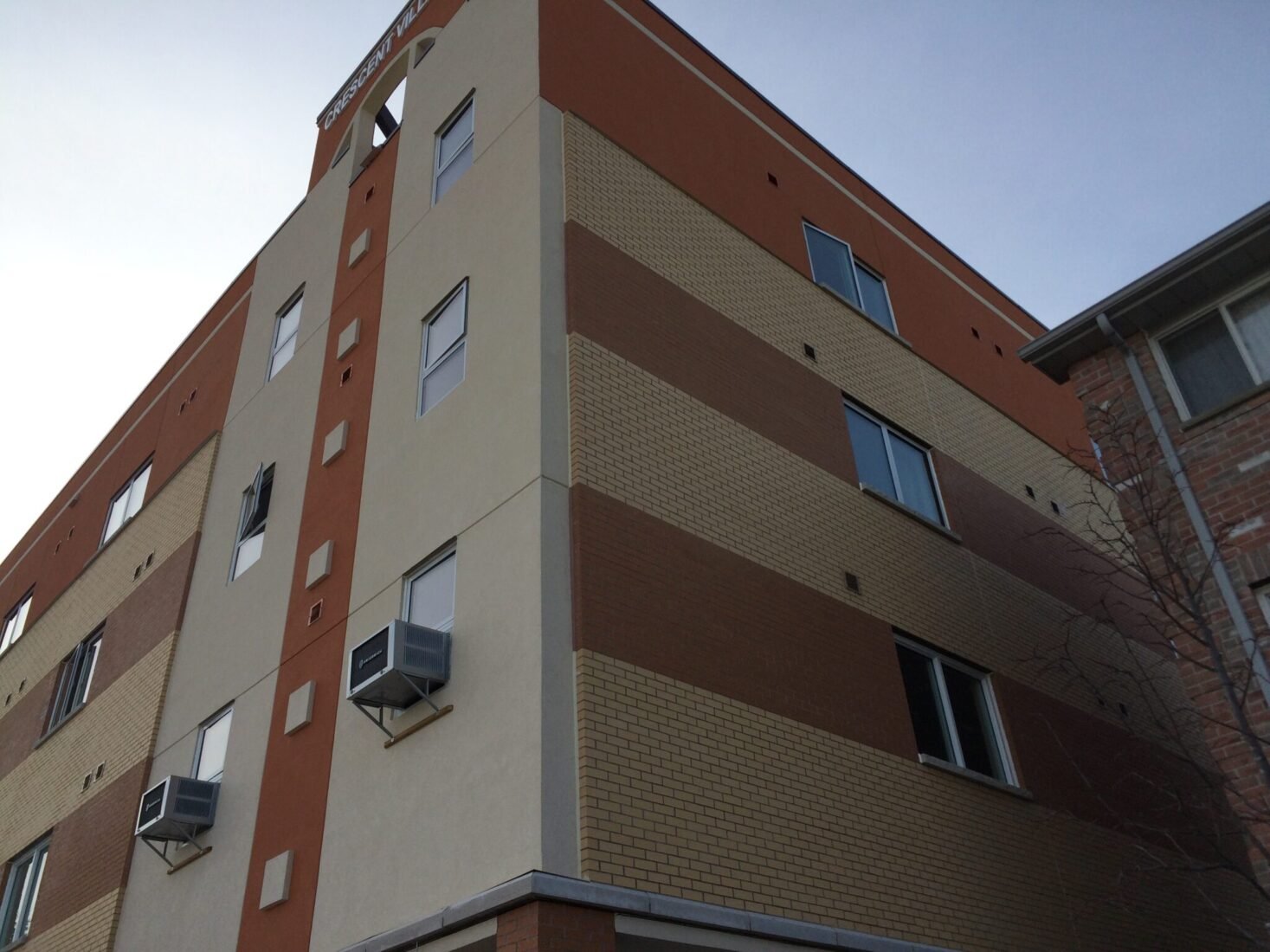
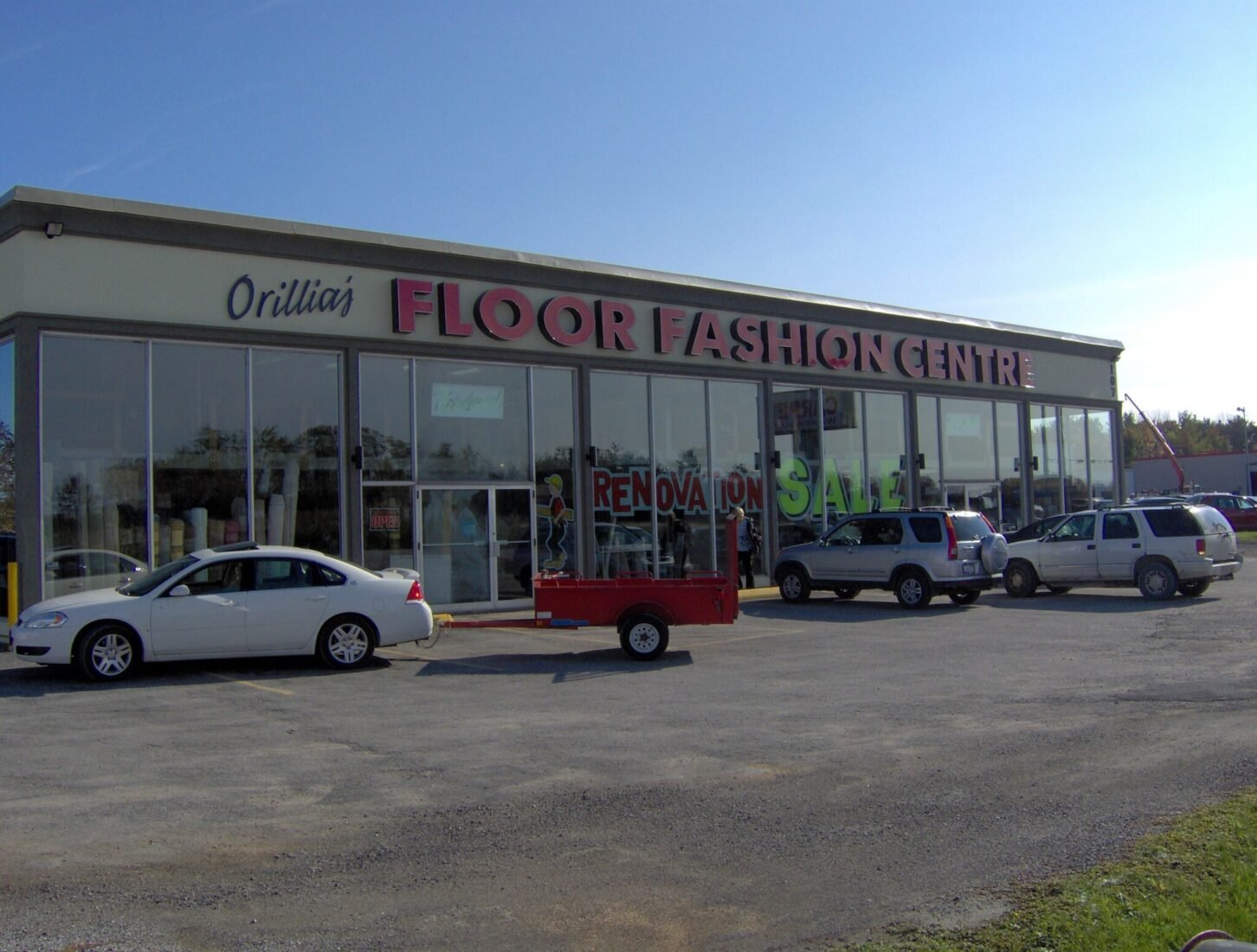
Sealant work should be judged in real exterior conditions.
System 6 specializes in commercial sealant installation, replacement, and restoration for buildings of all sizes. Our services include perimeter window and door caulking, expansion joint sealants, traffic-grade horizontal joints, landscape sealants, and complete building envelope restoration. Every system is selected based on joint movement, substrate compatibility, weather exposure, and long-term performance requirements.
Perimeter sealants create a flexible weatherproof barrier around windows, doors, curtain walls, EIFS, masonry, precast concrete, and metal panels. Properly installed perimeter caulking helps prevent water infiltration, air leakage, heat loss, and premature deterioration of the building envelope while accommodating normal building movement.
Most commercial sealant systems have a service life of approximately 10 to 25 years depending on the sealant type, joint movement, UV exposure, weather conditions, and installation quality. Regular inspections help identify failing sealants before water intrusion causes more costly building repairs.
Expansion joints are intentional gaps designed to allow buildings and materials to expand, contract, and move without causing structural damage. Flexible sealants bridge these joints while maintaining a watertight seal, preventing cracking, moisture penetration, and joint failure caused by thermal movement and structural deflection.
System 6 installs high-performance silicone, polyurethane, hybrid SMP, and traffic-grade sealants depending on the application. Each product is selected based on movement capability, joint width, substrate compatibility, exposure conditions, and manufacturer specifications to ensure long-term durability.
Common signs include cracking, splitting, shrinking, hardening, loss of adhesion, gaps, missing sealant, discoloration, water leaks, and visible deterioration around windows, expansion joints, or concrete slabs. Replacing failed sealants early helps prevent moisture damage, mold growth, and costly repairs.
Failed sealants allow water, air, and moisture to penetrate the building envelope. Over time, this can lead to insulation damage, mold growth, freeze-thaw deterioration, corrosion of embedded metals, interior water leaks, and costly repairs to surrounding building materials. Water intrusion can also damage EIFS, masonry, concrete, window assemblies, and interior finishes, significantly increasing repair costs. Small cracks and gaps often become much larger problems if left untreated, making early sealant replacement one of the most cost-effective forms of preventative building maintenance.
Sealant restoration involves carefully removing failed caulking, inspecting the joint condition, replacing backer rod where necessary, preparing substrates, and installing new high-performance sealants that meet manufacturer specifications. Proper joint preparation is essential for achieving long-lasting adhesion and weather resistance.
Traffic-grade sealants are designed for horizontal expansion joints exposed to vehicle and pedestrian traffic. They are commonly installed in parking garages, parking lots, sidewalks, loading docks, drive lanes, plazas, industrial facilities, and landscape hardscapes where durability and movement accommodation are critical.
Yes. Commercial-grade sealants are commonly installed in retaining walls, concrete walkways, pool decks, patios, curbs, planters, stairs, decorative concrete, and other landscape construction projects. Flexible landscape joints help accommodate seasonal movement while preventing water infiltration that can contribute to cracking and freeze-thaw damage.
Backer rod is a compressible foam material installed beneath sealant to control joint depth, improve flexibility, reduce unnecessary sealant usage, and promote proper two-sided adhesion. Correct backer rod installation allows sealants to stretch and perform as designed throughout the life of the joint.
Silicone sealants provide exceptional UV resistance, flexibility, and long-term weather durability, making them ideal for many exterior building envelope applications. Polyurethane sealants are highly durable, paintable, and well suited for concrete, masonry, and many construction joints where abrasion resistance is important. The appropriate product depends on the specific application, substrate, and movement requirements.
In most situations, existing sealant should be completely removed before installing new material. Applying fresh sealant over deteriorated, contaminated, or incompatible products often leads to poor adhesion, premature failure, and a significantly shorter service life. Proper surface preparation is essential for a successful installation.
High-quality sealant systems help improve energy efficiency, reduce uncontrolled air leakage, prevent water intrusion, protect insulation, minimize maintenance costs, and extend the service life of exterior wall assemblies. Properly maintained joints are an essential part of a durable, weather-resistant building envelope.
System 6 installs premium commercial sealant systems using manufacturer-approved materials, proper joint preparation techniques, and industry best practices. Every project is evaluated individually to determine the appropriate sealant, movement capability, joint configuration, and substrate compatibility, ensuring reliable long-term performance for perimeter joints, expansion joints, traffic-rated systems, landscape applications, and sealant restoration projects.
START PLANNING
Bring System 6 into the joint scope early.
Send photos, joint locations, substrate conditions, and project details so the correct sealant approach can be reviewed before exterior work is finalized.
Led by an experienced family-managed leadership team focused on professional service, accountability, and coordinated project oversight across every System 6 division.
Gord Cooke
Co-Founder & CEO
Gord oversees company-wide operations while bringing extensive experience in sales, client relations, and business development.
Carol Cooke
Accounting & CFO
Carol manages accounting operations, receivables, payables, invoicing, and financial coordination across the company.
Chad Cooke
Co-Founder & President
Chad oversees daily operations, project logistics, scheduling coordination, and leadership across multiple divisions.
Daniel Korf
Senior Project Manager
Daniel oversees estimating, project management, quality assurance, specification compliance, and overall project coordination.